This article may contain affiliate links. If you buy through them, Growing Up at Home may earn a small commission at no extra cost to you. Learn more.
For a stretch of time, our Saturdays looked exactly like our weekdays, just without the school drop off. Same rushing, same errands crammed into every open slot, same low grade tension by mid afternoon. It took me a while to notice that we had built a weekend that was really just a workday with different tasks on it, and that nobody in the house actually felt rested by the time Monday came around.
The problem with treating weekends like overflow
Our old approach to Saturday was to use it as a catch all for everything that did not fit during the week. Groceries, laundry, the errand we kept putting off, a birthday party, maybe a haircut. None of these are bad things on their own, but stacked together they turned Saturday into a to-do list with slightly better weather. By four in the afternoon everyone was cranky and nobody could explain why, because on paper we had not done anything unreasonable. We had just done too many separate things with no breathing room between them.
What we changed
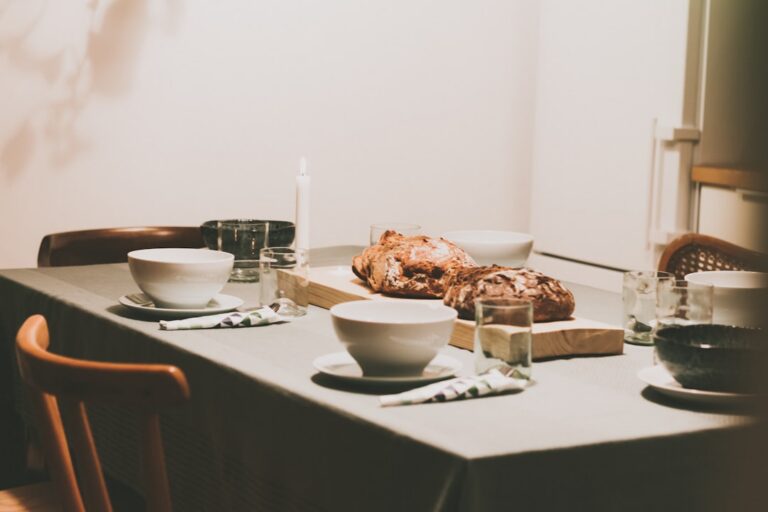
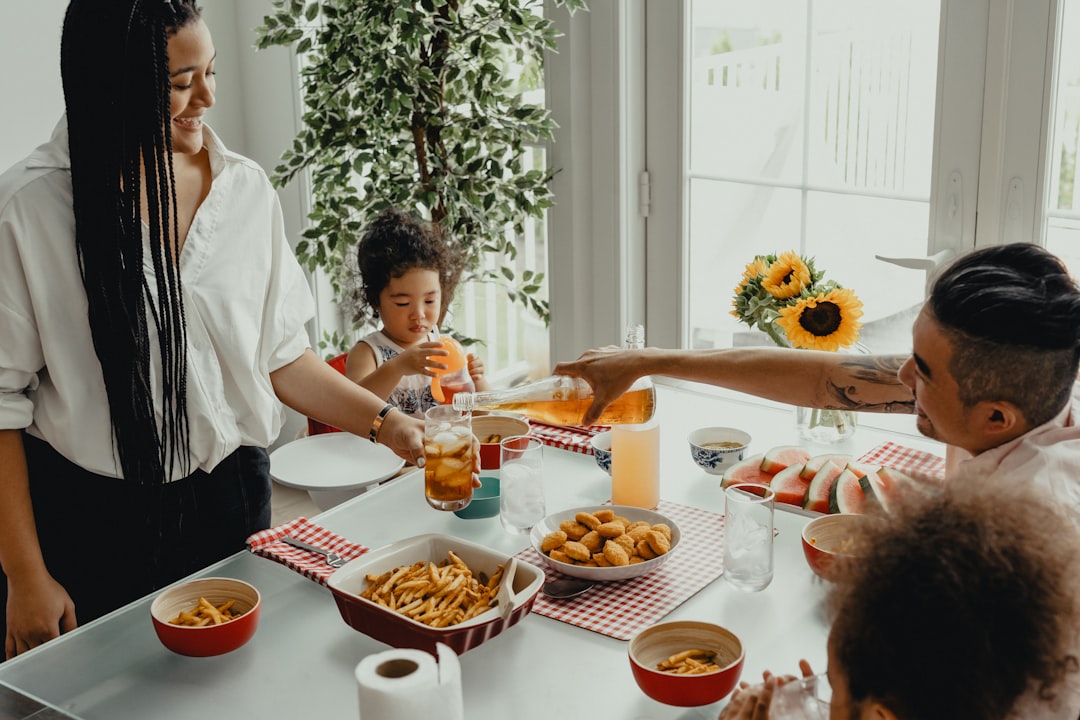
The biggest shift was deciding that Saturday morning is protected and Saturday afternoon is flexible, rather than treating the whole day as one long block to be filled. Mornings are slow on purpose. Nobody sets an alarm unless there is a specific reason to. Breakfast takes longer than a weekday breakfast has any right to take. We are not doing anything productive before roughly ten, and that decision alone changed the entire feel of the day.
- Saturday morning stays unscheduled, no errands, no early activities, just a slower version of breakfast and whatever loose play happens after
- One errand run happens midday, batched into a single outing instead of scattered across the day
- Afternoon is for one planned thing, a park, a friend’s house, a project around the house, but only one
- Evening reverts to something closer to a weeknight, dinner and a wind down, so Sunday does not inherit Saturday’s chaos
Why one planned thing instead of several
We used to try to fit in a morning activity, an afternoon errand, and an evening plan, all on the same Saturday, because the day felt long enough to hold all of it. What we were missing was the transition time between each thing, the getting everyone dressed again, back in the car, unpacked, refocused. Three activities with transitions between them ends up feeling busier than three activities actually are. Cutting down to one planned thing in the afternoon, with the rest of the day left open, made Saturday feel roomy in a way it had not felt in years.
A day with fewer plans on it does not feel empty to a kid. It feels like there is finally time to follow whatever they are actually interested in that morning.
The chore question
Chores still happen on Saturday in our house, but we moved them to right after the midday errand run rather than scattering them through the morning. Ten minutes each, everyone including me, folding laundry or resetting the living room, done as a group rather than assigned and checked later. It is not a big production. It works mostly because it has a clear start and end, and because it happens after the slow morning rather than eating into it.
Sunday used to pay for Saturday’s mistakes
The thing that finally convinced me to change our Saturday structure was noticing how consistently Sunday suffered for it. A packed, chaotic Saturday meant a Sunday spent recovering, catching up on the things Saturday did not get to, and starting the week already behind. Once Saturday had actual breathing room built into it, Sunday stopped being a recovery day and started being useful again, for prep, for a slower family activity, for actually getting ahead of Monday instead of just bracing for it.
What the kids actually respond to
I expected the kids to care about the specific activities. What they actually respond to is the pace. On the Saturdays where we have kept the loose morning and single afternoon plan, they are noticeably easier to be around by dinner. On the Saturdays where old habits crept back in and we tried to cram in three things, bedtime that night is rougher, and it has nothing to do with what any of the three things were. It is purely about how many transitions the day asked them to make.
This is not a rigid formula
I do not want to make this sound more locked in than it is. Some Saturdays a birthday party takes up the whole afternoon and there is no midday errand run at all. Some weekends we skip the planned activity entirely because everyone would rather just stay home. The structure is less a fixed schedule and more a set of defaults we fall back to when we are not sure how to shape the day. Having defaults turned out to matter more than having a perfect plan, because it meant we were not reinventing Saturday from nothing every single week, which was its own kind of exhausting.